Autologous minced cartilage with BMAC and PRP is a one-stage cartilage repair te...See More
Apr 27, 2026
Delivering precision-driven treatments through minimally invasive arthroscopy, joint replacement, and sports injury repair. Restoring strength, motion, and confidence for every patient through expert care, innovation, and compassionate orthopaedic excellence.
.jpg)
Expert management of ligament tears, meniscus injuries, and joint instability with advanced arthroscopic techniques. From ACL reconstruction to cartilage restoration, Dr. Sharat ensures quick recovery, lasting joint stability, and safe return to peak performance.

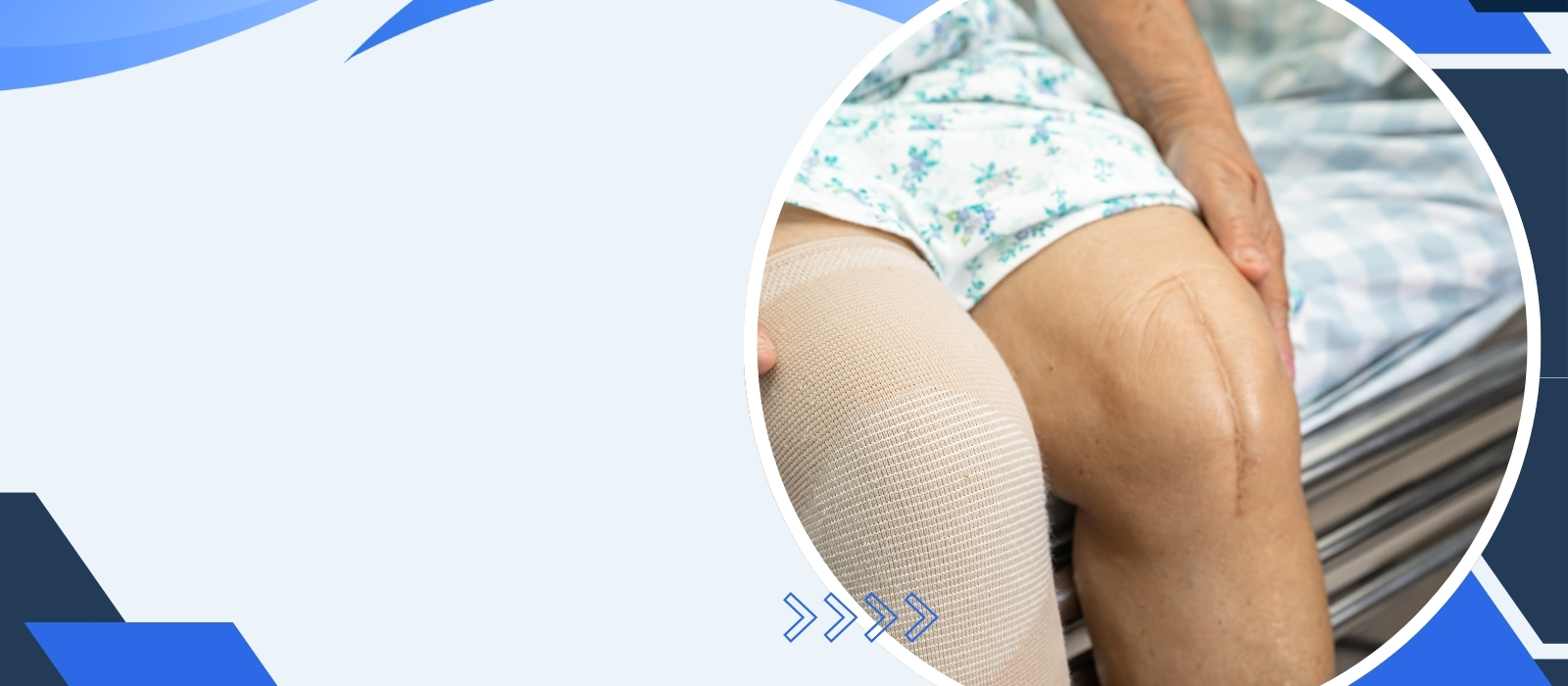
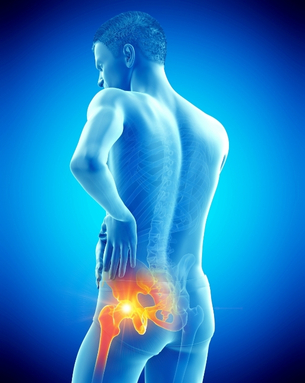
Offering advanced robotic-assisted knee, shoulder, and hip replacements with precision and long-term durability. Personalized rehabilitation and surgical accuracy help patients regain movement, reduce pain, and restore quality of life effectively.
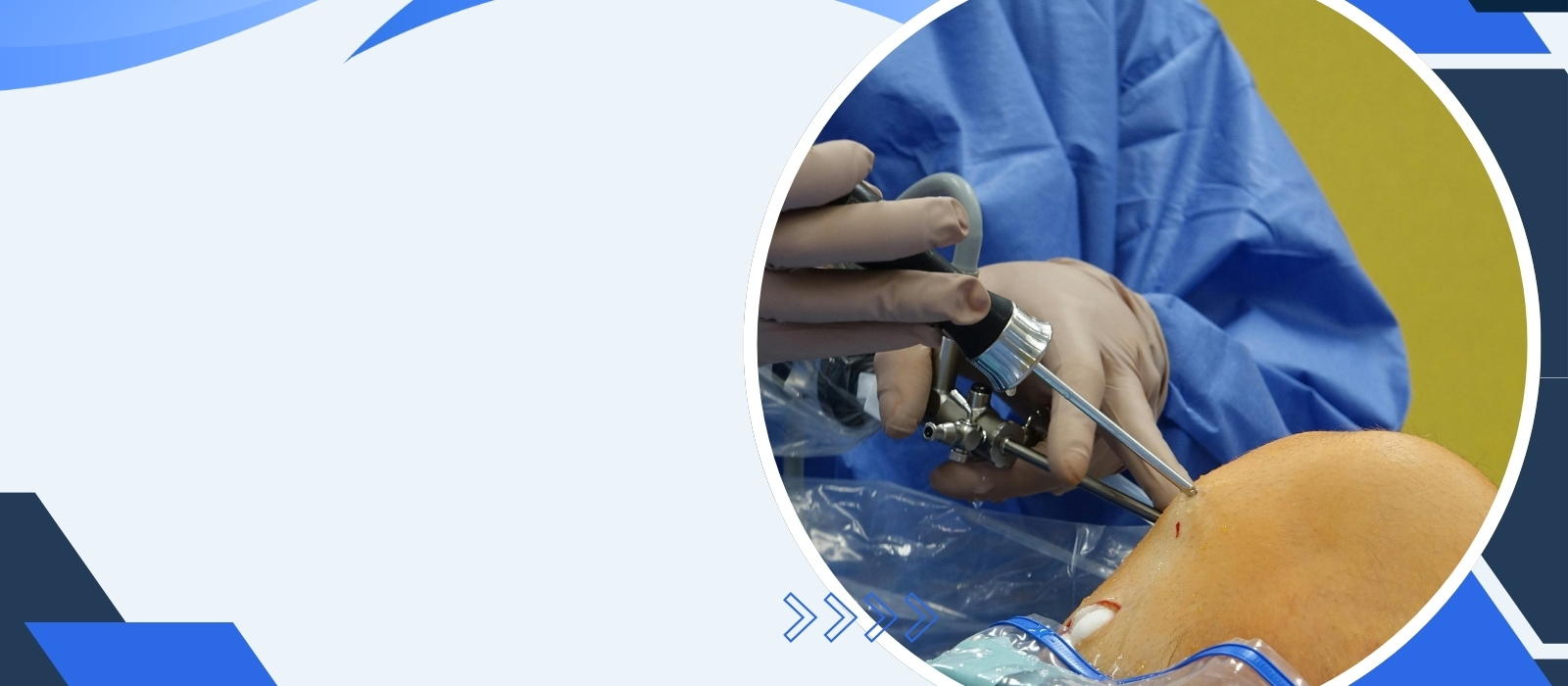
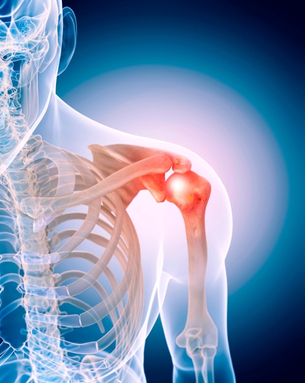
Comprehensive care for shoulder dislocations, rotator cuff tears, and knee injuries using cutting-edge arthroscopic and reconstructive approaches. Designed to minimize downtime, enhance recovery, and deliver superior long-term outcomes for every patient
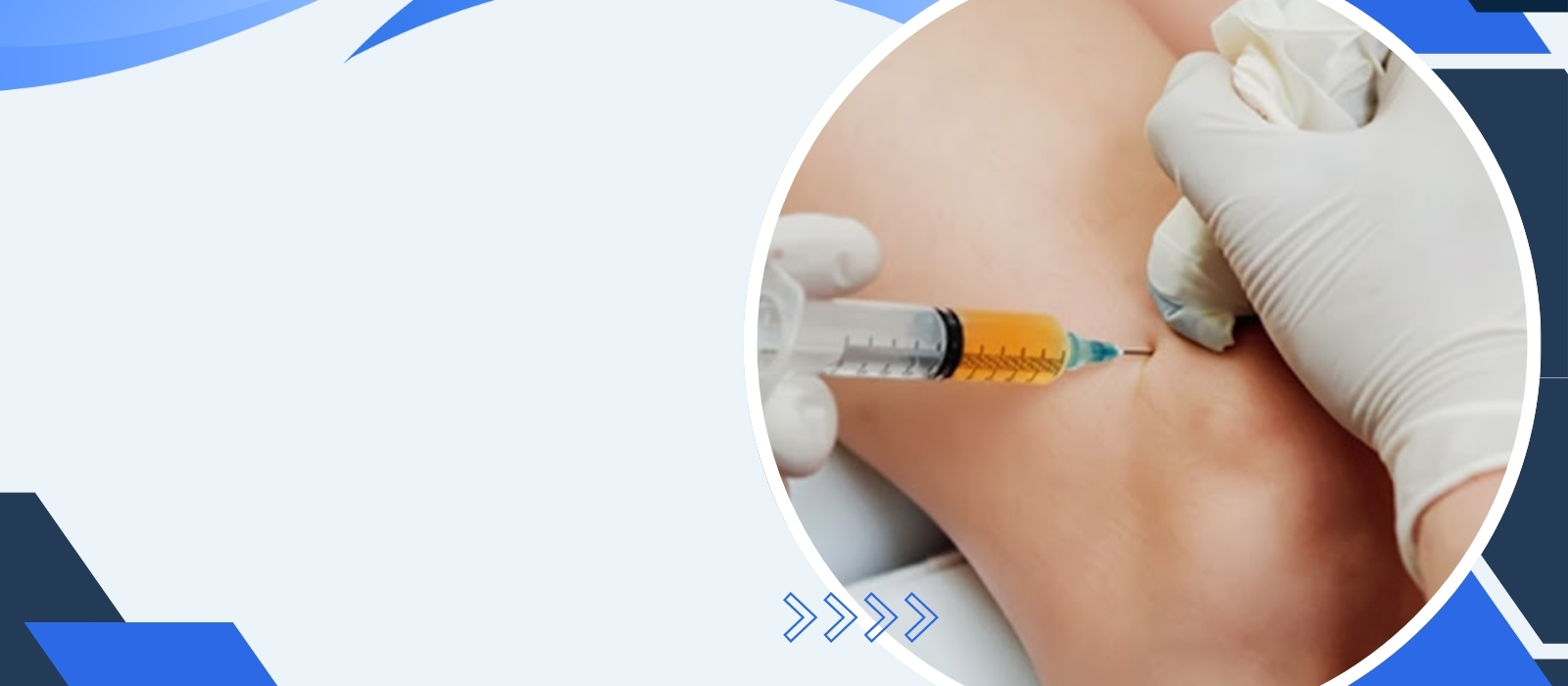
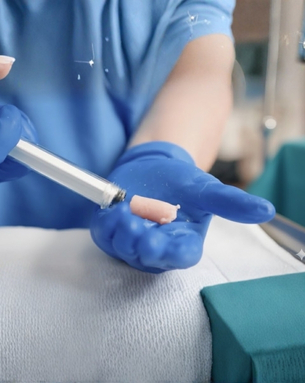
Harnessing modern biologic therapies like PRP, BMAC, and cartilage techniques for natural healing and tissue repair. Combined with expert trauma and tendon care, Dr. Sharat ensures faster recovery and sustained musculoskeletal health.
.jpg)
.jpg)
.jpg)
.jpg)
.jpg)
About Us
Years of Experience
Successful Procedures
Reviews with 5 star RATINGS
Happy Patients




Holistic treatment solutions combining surgical precision with personalized rehabilitation
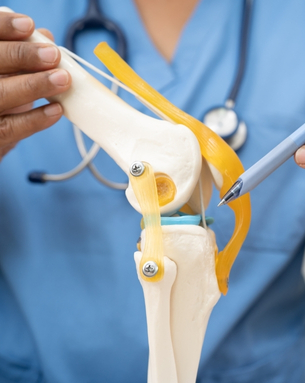
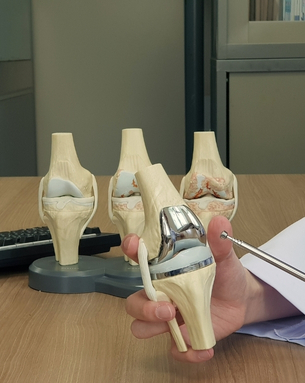
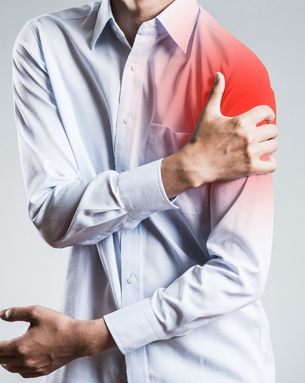
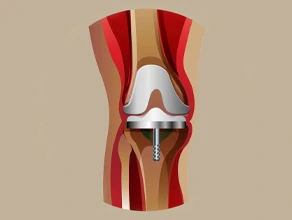
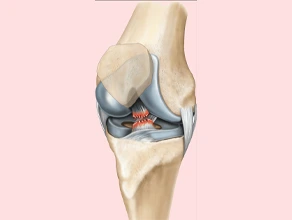
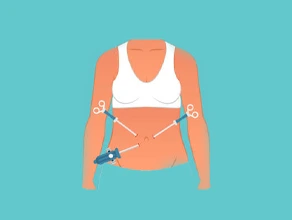
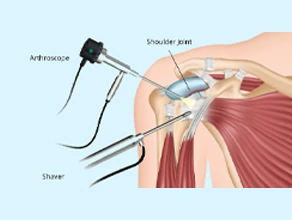

Stay informed with our latest updates, posts, announcements, and healthcare news
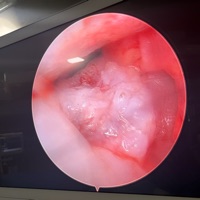
Autologous minced cartilage with BMAC and PRP is a one-stage cartilage repair te...See More
Apr 27, 2026
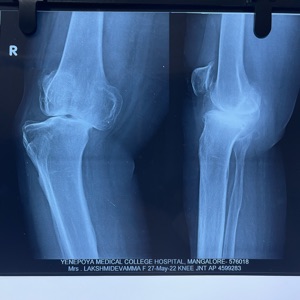
Severe osteoarthritis of the knee involves significant cartilage loss, bone chan...See More
Nov 06, 2025
Arthroscopic Surgeon, Orthopedic Surgeon
.png)
What our Patients says about us
I am Rajesh.B, Marketing executive of Orthopaedic implants in Mangalore, in Feb month of this year I had a fall at my home and got my Knee injured, where i got a complete ACL tear and Meniscal injury also, I consulted Dr.Sharat Balemane on the next day and we went on a ACL reconstruction and Meniscal balancing surgery on March 28th, and 2 months of rest itself and I am able to start my work back and from last 1 month now working on field as i was doing it before my surgery , so I thank Dr.Sharat balemane for the surgery and the post operative support what i got from him.

I am 69 years old , a housewife and was suffering from severe knee pain for the last 15 years which restricted me from my activities like walking and travelling. Often I had to take pain killers to go out.That's when I decided to undergo total knee replacement surgery at Yenopaya specialty hospital in Mangalore. Dr. Sharath explained and assured me so well that i quickly decided to get the Surgery on both legs. It's been 2 months since the surgery, I am able to walk freely without my earlier pain. I can say that it has made a positive change in my life style. And not only, he provided me full support during the surgery, the support he has given me post operation is higly appreciable.
Around December 2021 I realised that I had completely torn my ACL and also had a complex meniscus tear while playing various sports that past year. I consulted Dr. Sharat Balemane about my injury and we went ahead with the ACL reconstruction surgery on January 6, 2022. Now after 6 months I'm back on the field playing all the sports that I love and with my MBA starting in a couple of days I couldn't be more happier with the way my surgery and recovery turned out. Furthermore, following up with Dr. Sharat is so easy, he is always reachable with ease. I would like to thank Dr Sharat, firstly for the successful operation and for always being a phone call away for anything I needed.
Our Latest Videos


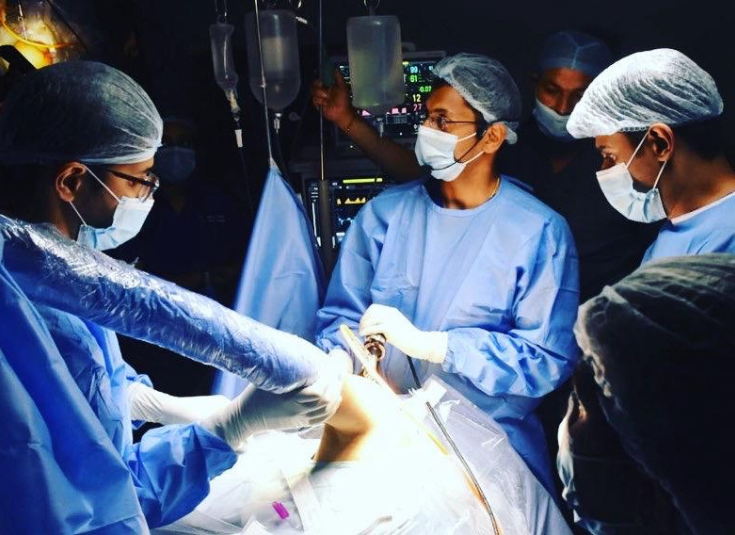
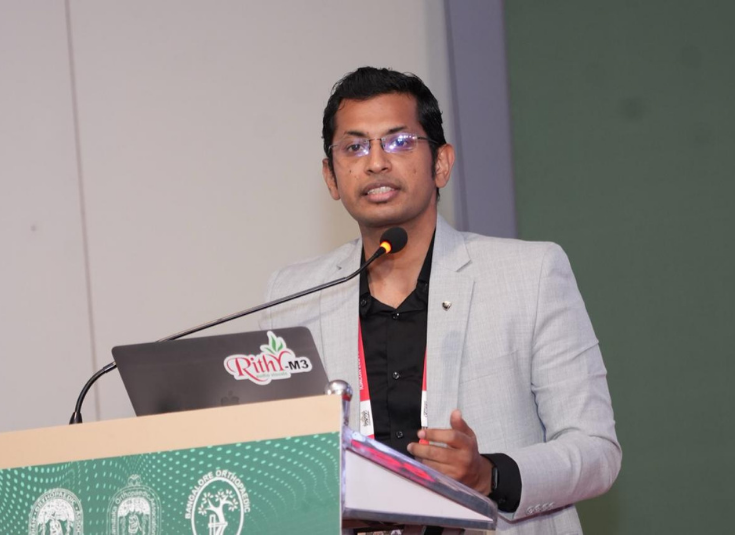
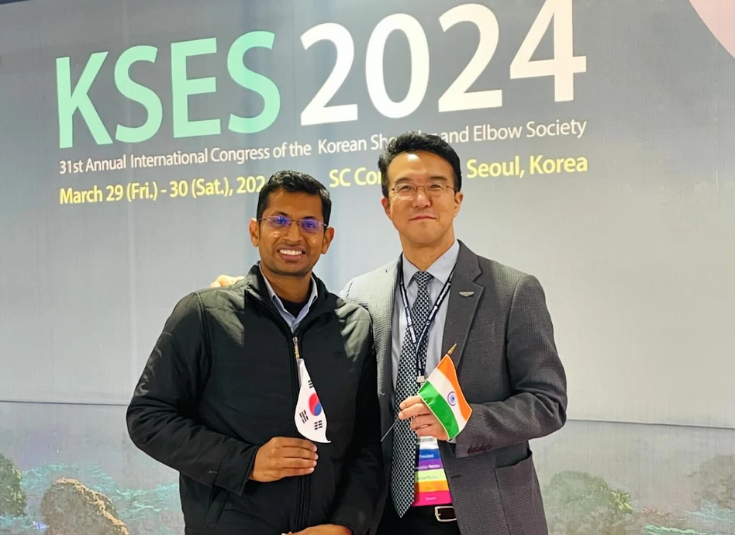
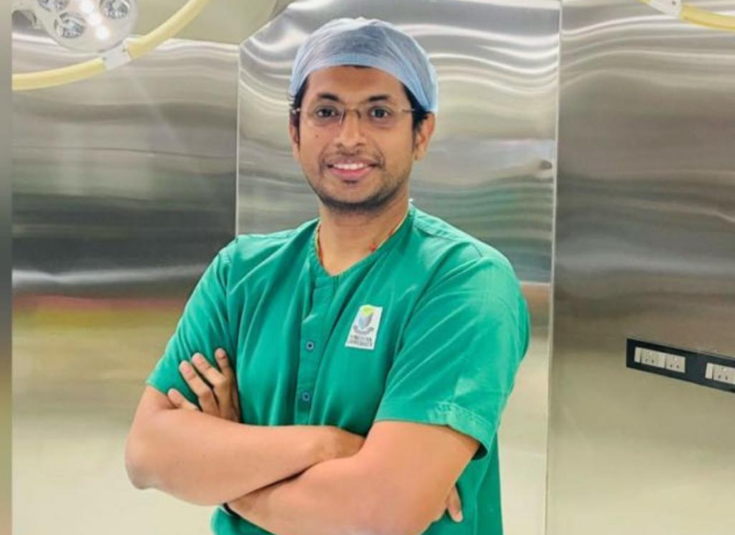
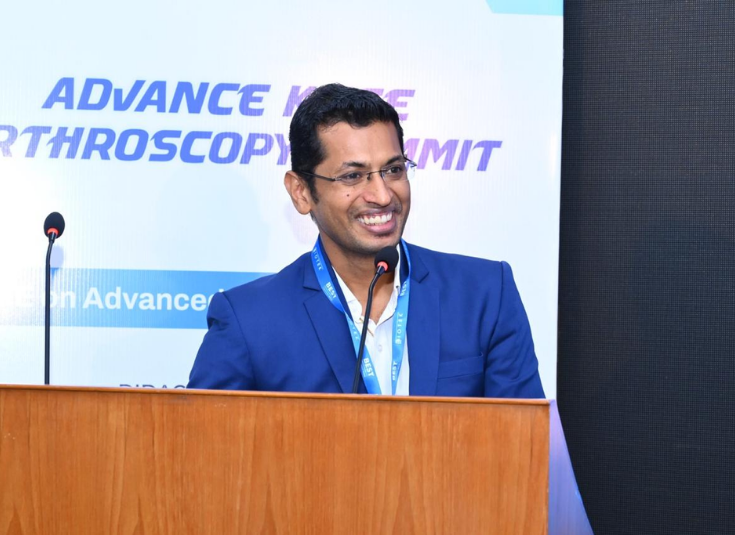
Joint replacement surgery is a surgical procedure that is performed to replace an arthritic or damaged joint with a new, artificial joint, called a prosthesis. Joint replacements can be performed on every joint in the body, but most commonly performed in the knee, hip, shoulder, and elbow. Joints contain cartilage, a soft, rubbery gel-like coating on the ends of bones, where they articulate, that protects joints and facilitates movement and over time, or if the joint has been injured, the cartilage wears away and the bones of the joint start rubbing together. As the bones rub together, bone spurs may form, and the joint becomes stiff and painful. Most people have joint replacement surgery when they can no longer control the pain with medication and other treatments and the pain is significantly interfering with their lives.
Knee pain is another common orthopaedic issue that affects people of all ages. Knee pain is generally the result of either injury or inflammation. The knee is one of the joints most prone to injury, which may result in acute pain. Arthritis and other inflammatory diseases can cause chronic knee pain. Your orthopaedic specialist may recommend knee braces or physical therapy, which can often relieve the symptoms. Some cases may require more aggressive treatment such as injections or surgery to correct a mechanical breakdown of the knee.
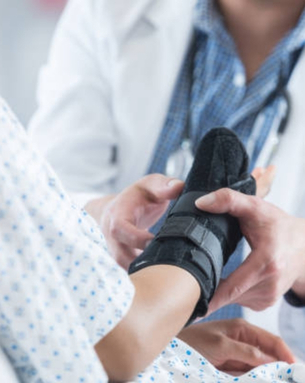
Carpal tunnel syndrome is numbness, tingling and weakness in your hands, wrists and occasionally arms. Carpal tunnel syndrome is caused by a compressed nerve in the carpal tunnel, a narrow passageway on the palm side of your wrist. Carpal tunnel syndrome can worsen over time, so it’s important to visit your orthopaedic hand specialist soon after symptoms occur. In many cases, there is no single cause of carpal tunnel syndrome. However, there are several risk factors that may contribute to carpal tunnel syndrome. Conditions that cause continuous pressure on the nerves – such as obesity or repetitive motion – can be significant risk factors for carpal tunnel. Inflammatory conditions can also play a role. An orthopaedic doctor may be able to help relieve symptoms early on with a wrist splint or by limiting certain activities.
Heat is generally used for muscle pain or stiffness. Never apply heat when swelling or inflammation is present. Minor stiffness or tension can usually be relieved after 15 to 20 minutes of direct heat, such as a heating pad. Longer periods of direct heat such as a warm bath can help relieve moderate to severe pain. Heat can also be used to warm up muscles before any physical activity.
Generally, ice should be used within the first 24-48 hours of an injury to reduce swelling and pain. After an injury, following the PRICE protocol: Protection, Rest, Ice, Compression and Elevation. Never use ice directly on the skin. Depending on the area of the injury, ice should be used for 10 to 20 minutes. The thicker the tissue of the injured area, the longer the application time. Knee injuries typically require 15 minutes of icing, while areas with more musculature, such as the quadriceps and hamstrings, require 20 minutes. Thinner tissue, such as ankles and feet, requires only 10 minutes.
Another very common orthopaedic complaint is shoulder pain. Often the source of that pain is a torn rotator cuff. The two main causes of rotator cuff tears are injury and degeneration. You can further damage your rotator cuff with continued use after a tear. If you are experiencing chronic shoulder or arm pain, it’s best to visit your orthopaedic specialist. For the majority of patients, an orthopaedic doctor will provide non-surgical treatment, such as physical therapy or steroid injections, to ease pain and improve function in your shoulder.
A bone density test is used to diagnosis osteoporosis, which is a disease that causes weakening of the bones that can ultimately results in fractures. In the past, osteoporosis could only be detected after a person’s bone broke. However, by using a bone density test, it is possible to know one’s individual risk of breaking bones before one breaks. A bone density test uses X-rays to measure the amount of calcium and other bone mineral packed into the segment of bone. Common areas that are tested using a bone density scan include the spine, hip, and forearm.
Arthritis is an inflammation of the joints. A joint is an area of the body where two bones meet. Cartilage is the connective tissue in our joints. Cartilage protects the joints by absorbing the pressure and shock when we move. Arthritis can occur when cartilage erodes causing stiff, weak and painful joints. Although there are over 100 different types of arthritis, the two most common types are osteoarthritis (OA) and rheumatoid arthritis (RA). Causes of arthritis vary depending on the type. Causes can include injury, metabolic abnormalities, hereditary factors, infections and autoimmune disorders. OA is caused by normal wear and tear of the joints. RA is an autoimmune disorder and occurs when your body’s immune system attacks the tissues of the body.
Your bones, cartilage, ligaments, muscles, and tendons can all be damaged by disease and injury. To diagnose your condition, your doctor will take a thorough medical history, perform a physical examination and order imaging studies — usually x-rays. For some conditions, an additional imaging study — such as a magnetic resonance imaging (MRI) scan or a computerized tomography (CT) scan — may also be needed. After making a diagnosis, your doctor will determine the most appropriate treatment choice for your condition. Conditions that are commonly treated with arthroscopic procedures include Inflammation. For example, synovitis is a condition that causes the tissues surrounding the knee, shoulder, elbow, wrist, and ankle joint to become inflamed. Acute or chronic injuries, including Rotator cuff tendon tears, Shoulder impingement, Recurrent dislocation in the shoulder, Meniscal (cartilage) tears in the knee, Chondromalacia (wearing or injury of the cartilage cushion in the knee), Anterior cruciate ligament (ACL) tears with instability in the knee, Carpal tunnel syndrome in the wrist and loose bodies of bone and/or cartilage, particularly in the knee, shoulder, elbow, ankle, or wrist. Consult Dr. Sharat Balemane, a reputed name in Arthroscopy and a well versed Orthopedic Surgeon in Mangalore, by booking an Online appointment with icareheal website. Simply download icareheal website on your smartphones for easy bookings and video consultations.
Dr. Sharat Balemane, an expert Orthopedic Surgeon explains Arthroscopy as a surgical procedure that orthopaedic surgeons use to visualize and treat problems inside a joint. In arthroscopic surgery, an orthopaedic surgeon makes a small incision in the patient's skin, then inserts pencil-sized instruments that contain a small lens and lighting system to magnify and illuminate the structures inside the joint. Light is transmitted through fiber optics to the end of the arthroscope that is inserted into the joint. By attaching the arthroscope to a miniature camera, the surgeon is able to see the interior of the joint through this very small incision, rather than the larger incision needed for open surgery. The camera attached to the arthroscope displays the image of the joint on a video monitor, allowing the surgeon to look, for example, throughout the knee. This lets the surgeon see the cartilage, ligaments, and under the kneecap. The surgeon can determine the amount or type of injury and then repair or correct the problem, if it is necessary. Dr. Sharat Balemane can be consulted online via video or audio call or at his clinic by booking an online consultation at icareheal website. Also, download icareheal app on your smartphones.
Consult Dr. Sharat Balemane, a well established Orthopedic Surgeon in Mangalore, by booking an Online appointment for video, audio or in clinic consultation at his clinic Sushruth Shoulder, Hip & Knee Clinic, Behind BC Road Bus Stand, Pumpwell, Manglore, Karnataka-575002 with icareheal website. Simply download icareheal website on your smartphones for easy bookings and video consultations.
Dr. Sharat Balemane, one of the leading Orthopedic Surgeon in Mangalore speaciaizes in Orthopedic Surgeries. He has special interest in Knee Arthroscopy, Shoulder Arthroscopy, Arthroplasty and Trauma surgeries. Consult Dr. Sharat Balemane, a well established Orthopedic Surgeon in Mangalore, by booking an Online appointment with icareheal website. Simply download icareheal website on your smartphones for easy bookings and video consultations.
Dr. Sharat Balemane, a leading Orthopedic Surgeon in Mangalore has an extensive academic qualification. He completed his M.B.B.S from Mysore medical college. Mysore ,Karnataka followed by M.S in Ortho Jawaharlal Nehru Medical college, Belgaum, Karnataka. Furthermore, he completed DNB, Ortho National board of examination, New Delhi. He also recieved prestigious Postdoctoral Fellowship in Arthroplasty and M.G.R university recognized Postdoctoral Fellowship from Preethi hospital and research Institute Madurai, Tamil Nadu. Also received Fellowship in Arthroscopy and sports injuries from Deenanath Mangesh hospital, Pune, Maharashtra and Fellowship in Arthroscopic Shoulder surgery, Samsung Medical Centre South Korea, Seoul. Consult Dr. Sharat Balemane, a well established and honoured Orthopedic Surgeon in Mangalore, by booking an Online appointment with icareheal website. Simply download icareheal website on your smartphones for easy bookings and video consultations.
 Address :Sushruth Shoulder, Hip & Knee Clinic, 206, 2nd floor, Vishwas heights, NH 66, Pumpwell, Mangalore- 02, Mangaluru 575002, Karnataka